What this site is for
Flamenco Warrior publishes the part of this music that belongs to no single instrument: the compás, the cycle of counts each palo is laid out on. Four palos, each declared from its sources as a cycle with its accents, its tonality and its cadence; the seats of a cuadro and what each does to the count; and the chords and scales the guitar needs.
The other side of that bargain is that this site will never teach you to play. It says where the accents of a cycle fall; it does not put your hand anywhere. That is deliberate, and this page is the missing half of the deal — where the playing itself is taught, and where the neighbouring subjects live.
 String WarriorThe flamenco guitar's deep home: every chord and scale page here links to the same page there, where the nylon-strung classical guitar sits beside twenty-odd other instruments.
 Theory WarriorThis site says which palo sits in the Phrygian mode and which in a major key; that one explains the scales and the cadences themselves, from the intervals up, with no tradition attached.
 Keys WarriorNo keyboard sits in a flamenco cuadro, but a pianist arranging a soleá still needs its chords under both hands — and that site draws them on every keyboard it models.
 Ukulele WarriorFour nylon strings rather than six: a smaller cousin of the flamenco guitar's sound, and the site where that instrument's chords and scales have their own home.
 Bass WarriorModern flamenco groups often add a bass under the guitar; when yours does, that site is where the instrument, its tunings and its lines are taught in full.
 Mandolin WarriorA plucked, tremolo-driven voice from the same Mediterranean family of string music; that site is the mandolin's home, if its bright double courses ever join your cuadro.
 Guitar WarriorThe steel-string guitar and its relatives — resonator, twelve-string, tenor — live there. The nylon-strung flamenco guitar is a different borrow, homed on the hub instead.
 Banjo WarriorNothing about the banjo belongs in a cuadro, which is the point of listing it: a completely different strumming tradition, taught in depth by its own site.
 Fiddle WarriorThe violin turns up in flamenco fusion more often than on a tablao stage; that site teaches the bowing and the fretless neck for anyone bringing one in.
 Ear WarriorFlamenco is learned by ear first, and the skill it asks for before any chord is hearing where a cycle starts. That site drills the listening, interval by interval.
 Bluegrass WarriorA band tradition where players trade turns in a room; the clearest contrast with a cuadro, where singer, guitar, clappers and dancer all hold one count together.
 Music Warrior NetworkThe map of every sister, for the reader who came for the compás and now wants the site that owns an instrument this one never gives a section.
 Nashville WarriorA flamenco cadence is learned in position, by hand; that site is for writing any chord sequence down as a chart a whole session can read in whatever key is called.
 Mariachi WarriorAnother Spanish-rooted tradition that plays twelve slots two ways at once, but as a whole ensemble strumming together — worth reading beside a cuadro, where one guitar carries the count.
 Jazz WarriorJazz and flamenco have met often on record; that site is the jazz side of any such meeting — the tune as it is called, and what players habitually do to its chords.
 Country WarriorA song-first tradition built on the parts each player records; read it beside this one to hear how differently a band can divide one arrangement.
 Tres WarriorCuban son, where the guitar family also rides a repeating cycle over a fixed rhythmic key — the nearest cousin to a compás anywhere else in the network.
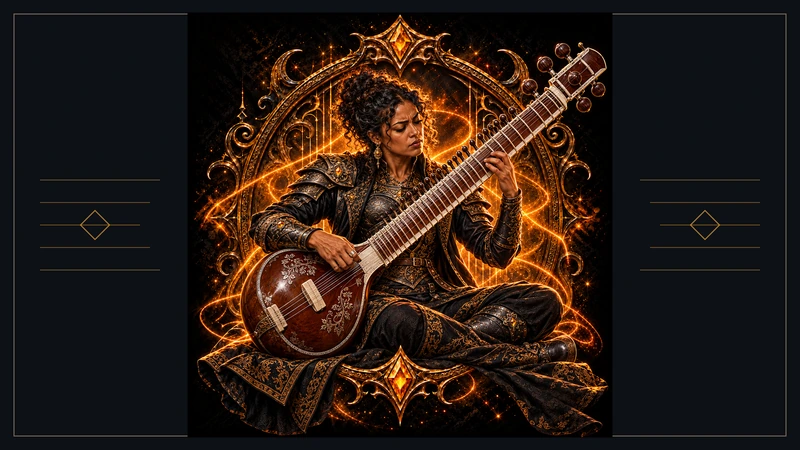 Sitar WarriorA tradition whose rhythmic cycles are counted and accented too, on a completely different scale of length; the sitar's own site is where that instrument is taught.
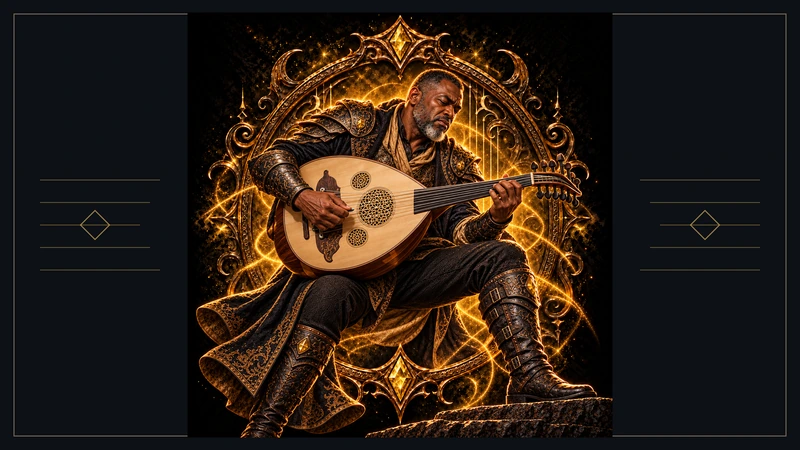 Oud WarriorThe oud was played across al-Andalus centuries before flamenco had a name; that site teaches the fretless instrument and its modes in full.
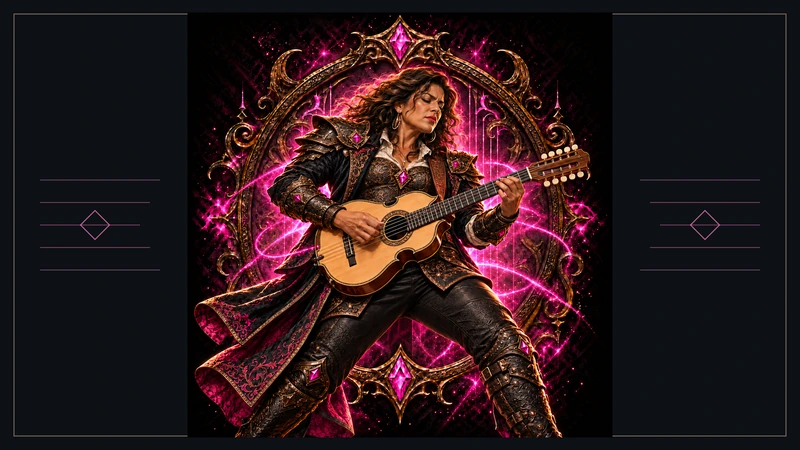 Cuatro WarriorThe joropo's six-count bar is read two ways on that site — the same question this site asks of flamenco's twelve counts, put to a different tradition's cycle.
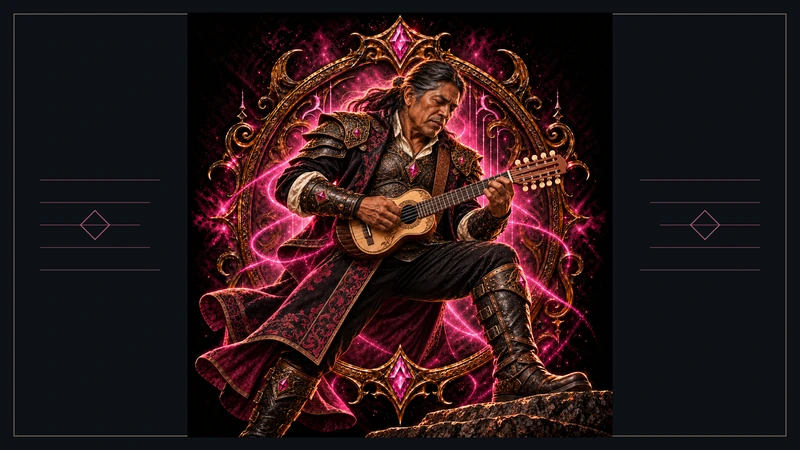 Charango WarriorAn Andean strumming tradition written down stroke by stroke. That site owns the strumming hand as its subject; this one counts the cycle the hand is marking.
 Cavaquinho WarriorSamba and choro keep a pulse as particular as any compás, and that site writes down the cavaquinho's strumming patterns in full.
 Gear WarriorA blanca or a negra is a purchase before it is a compás: which nylon set, at what tension, and which company now owns the name on the headstock is the ground covered over there.
 Blues WarriorBoth musics are built on a short repeating cycle. This site counts the flamenco one; that site reads the blues one bar by bar, marking each blues-scale note as chord tone, colour or rub.
 Progression WarriorThis site names a palo's cadence before a single chord is played. That site starts from the chords: type any line and it finds the key and mode, Phrygian included, and the move each chord makes.
How the network divides the work
One family, one home. The guitar this site sections is the network’s nylon-strung classical guitar, and its home is String Warrior, the hub — no sister site owns the classical guitar, so every chord and scale page here links to the same page there; nothing is taught twice. The genre sites divide the same way, by subject rather than by instrument: a jazz tune, a country record’s parts, a bluegrass band’s working room and a session chart each have their own home, and this one keeps to the compás.
Sisters still being built are not in the list above; each joins it the day it opens. The cante, the palmas, the cajón and the baile are described on this site’s own instruments page; no sister site models any of them.